
Southampton, NY Construction Consulting & Owner's Rep
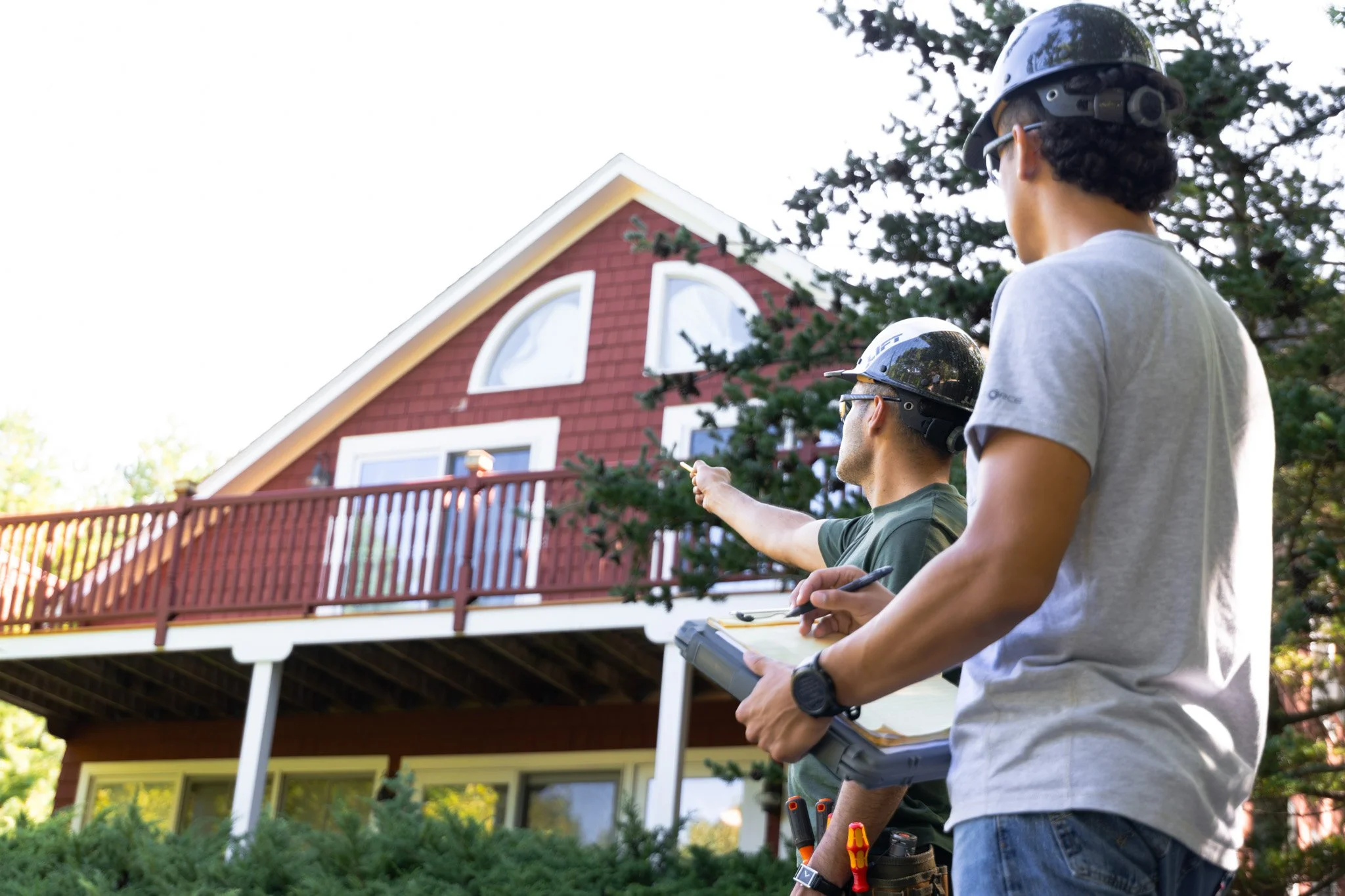
Owner-side oversight for new homes and renovations in the Village of Southampton and the surrounding hamlets. We attend the site meetings, keep the documentation in order, review change orders, and check the building at the stages where moisture and envelope problems are cheapest to correct. We are not the general contractor on projects where we represent the owner, and we take no fees from contractors or suppliers.
Who Hires an Owner's Representative in Southampton
Owners building or renovating while they live somewhere else for most of the year.
Owners whose project is under way and whose schedule, budget, or decisions are no longer clear.
Owners comparing bids and scopes before signing a construction contract.
Owners who want an independent check of the work before it is covered up.
Buyers of a newly built home who want a documented walkthrough before closing.
What We Do
Site meetings and notes. We attend the owner-architect-contractor meetings and send written notes with action items, owners, dates, and photographs after every visit.
Submittals and selections. We track product selections, submittals, and lead times so that decisions are made before they delay the job. Design approvals remain with the architect or engineer of record.
Change order review. Each change order is checked for scope clarity, pricing logic, and schedule effect before the owner signs it.
Milestone walkthroughs. Documented walkthroughs at the stages listed below, with photographs of the conditions that will be concealed.
Scope and bid review. Before contract, we review the scope for gaps and put competing bids on a comparable basis.
A project record. Meeting notes, decisions, change orders, and a photo record of the concealed work, kept in one place and handed to the owner at closeout.
Building Diagnostics at Each Milestone
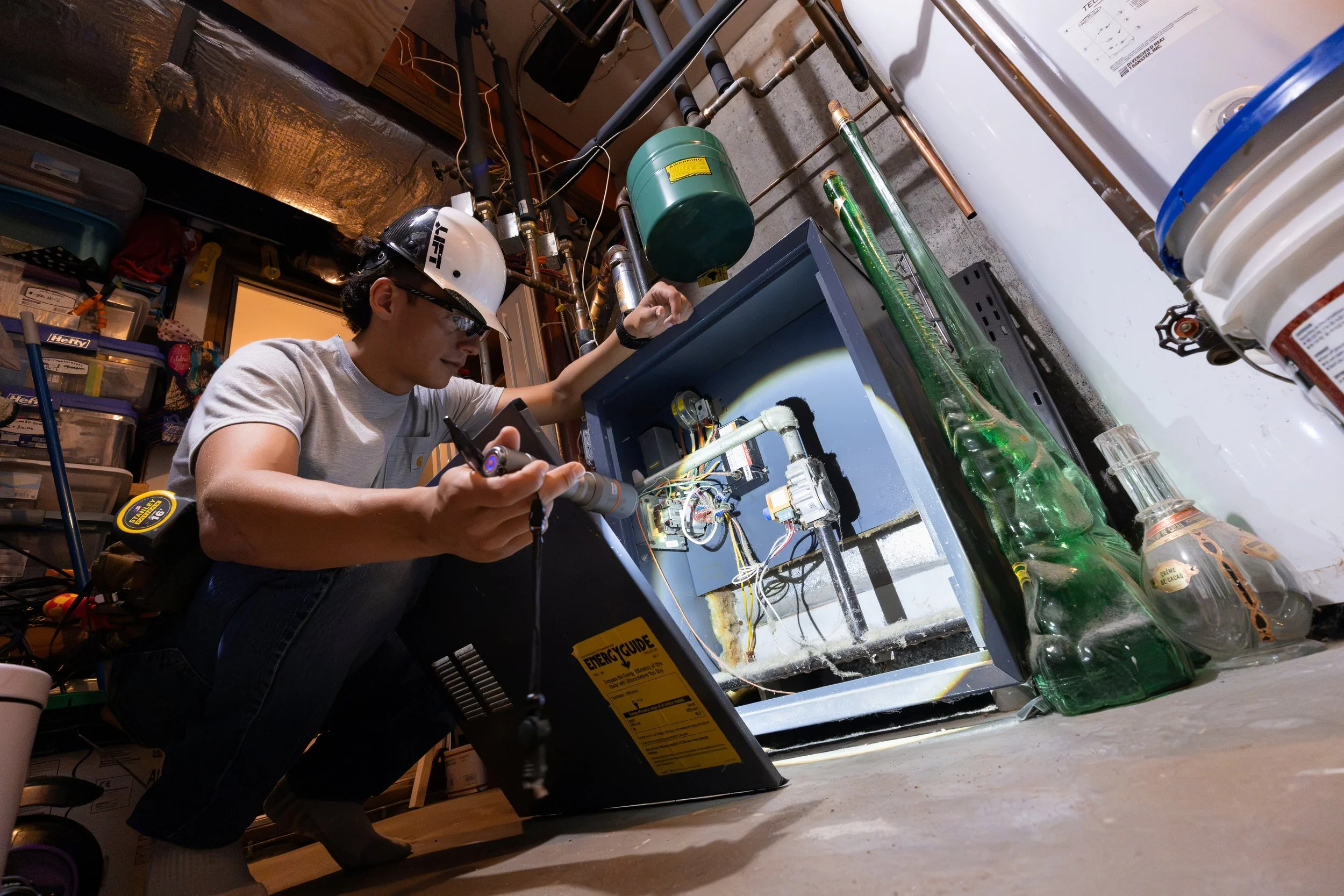
Our principal is a NYS licensed mold assessor and home inspector, and that background is what we bring to a construction project. Many of the moisture problems we diagnose in finished homes began at one of these stages.
Foundation and below grade
Footing and foundation drainage, damp-proofing or waterproofing, the vapor retarder under the slab, and the crawl space vapor retarder and conditioning plan. A crawl space under an air-conditioned floor needs a moisture strategy before the floor goes down.
Dry-in and close-in
Window and door flashing, laps in the weather-resistive barrier, deck ledger flashing, and roof-to-wall transitions. Before insulation and drywall we measure and record the moisture content of the framing and sheathing, because framing closed into a wall while it is still wet is a source of mold growth in new homes.
Mechanical rough-in and startup
Duct location and sealing, air handlers in attics, bathroom and dryer exhaust terminating outdoors, dehumidification, and a whole-home ventilation system that is commissioned and left running. Tight homes depend on mechanical ventilation; in a study of 70 new California homes built under a mechanical ventilation code, the required fans were running in only 26% of homes when researchers first visited.
Energy code testing
New York's 2025 energy code, in effect for building permit applications filed on or after December 31, 2025, requires a blower-door air leakage test on new homes, with a limit of 3.0 air changes per hour at 50 pascals in climate zone 4, which includes Suffolk County. It also requires duct leakage testing for ducted heating and cooling systems. We review the test results with you and what they mean for ventilation and humidity control in the finished home.
Pre-closing and punch
A documented walkthrough with photographs and a written punch list, and a check that warranties, equipment manuals, and test and commissioning records are in hand before final payment. A newly built home that has never been occupied falls outside New York's legal definition of a home inspection, so this walkthrough is how we inspect new construction for buyers and owners.
Southampton Approvals and Rules That Affect the Schedule
In the Village of Southampton
Architectural review. Every building permit application for construction of a building or structure, other than interior alterations, swimming pools, and playing courts, is referred to the Board of Architectural Review and Historic Preservation, not only projects in the historic districts. Village-designated landmarks and properties in a Village-designated historic district also need a certificate of appropriateness.
Wetlands. Structures within 150 feet of a wetland, watercourse, or tidal water, septic systems within 200 feet, and clearing or grading within 125 feet require a wetlands special permit from the Zoning Board of Appeals, or from the Town Trustees where the wetland is under their jurisdiction.
Flood zones. New construction and substantial improvements, meaning work costing 50% or more of the structure's market value, must put the lowest floor at least two feet above the base flood elevation in most flood zones. The Village rewrote its flood law in October 2025.
Coastal erosion. New structures and major additions in the mapped coastal erosion hazard area need a coastal erosion management permit.
Septic. Suffolk County requires a nitrogen-reducing I/A septic system for all new construction, and the Village also requires one for bedroom additions and County-required septic upgrades in its high- and medium-priority areas.
Work hours. Construction is permitted 8 a.m. to 6 p.m. on weekdays and 9 a.m. to 5 p.m. on Saturdays, and not on Sundays or holidays. Pile driving is prohibited on weekends and holidays from Memorial Day through Labor Day.
In the hamlets of the Town of Southampton
Town Trustees. Docks, bulkheads, and other work in Town waters, below the mean high-water mark, or in the wetlands associated with them need a permit from the Southampton Town Trustees.
Town wetlands. Work within 200 feet of a wetland boundary needs a Town wetlands permit.
Coastal erosion. The Town administers its own coastal erosion hazard area law.
Septic. Suffolk County requires an I/A system for all new construction, and the Town adds requirements in its high-priority areas, including floor-area increases of 25% or more.
Work hours. The Town sets its own construction hours, which differ from the Village's.
We track these approvals, inspections, and sign-offs on the project schedule and in the project record. Permit applications and code compliance remain with the architect, engineer, and contractor.
How Engagements Are Structured
We set the engagement to the project:
Hourly consulting for a specific question, a bid review, or a change order dispute.
Monthly support during active construction, with regular site meetings and notes.
Milestone visits at foundation, close-in, mechanical startup, and pre-closing and punch.
Joining mid-project to organize the documentation, update the schedule with the contractor, and document the job's current status.
Related Southampton Services
Southampton services overview · Mold testing · Indoor air quality testing · Home inspections · Water quality testing · Construction consulting across the East End
Areas We Serve Around Southampton
From our Main Street office we cover the Village of Southampton and the surrounding hamlets and villages:
Village of Southampton
Shinnecock Hills
Tuckahoe
North Sea
Noyac
Water Mill
Bridgehampton
Sagaponack
Southampton Construction Consulting FAQ
What does an owner's representative do?
An owner's representative works for the owner during design and construction: attending meetings, keeping decisions and documentation organized, reviewing change orders, and checking the work at key stages, so that scope, schedule, and budget stay clear.
Are you the general contractor?
No. On projects where we represent the owner, we provide consulting and oversight only. We coordinate with the architect, engineer, and contractor, and we take no fees from contractors or suppliers.
Can you join a project that is already under way?
Yes. We start by organizing the documentation and documenting the job's status against the contract, the schedule, and the approved changes.
Can you inspect a newly built home before we close?
Yes. A home that has never been occupied falls outside New York's legal definition of a home inspection, so we inspect new construction as a consulting engagement, with a documented walkthrough, photographs, and a written punch list.
Do you review bids before we sign?
Yes. We check each scope for gaps and exclusions and put the bids on a comparable basis, so the numbers you compare cover the same work.
We live out of state most of the year. How do we stay informed?
Written notes with action items and photographs after every site visit, and a single project record of decisions, change orders, and concealed conditions that we send to you.
Discuss Your Southampton Project
Call or text (631) 655-9855 Email bayrona@casablancaebd.com Office: 30 Main Street, Southampton, NY 11968