

Southampton, NY Mold Testing and Mold Assessments
Mold testing for houses in the Village of Southampton and the surrounding hamlets, from a NYS Licensed Mold Assessor with an office on Main Street. Every test we run is part of a mold assessment: we investigate the moisture that caused the growth, sample against outdoor controls, and write the remediation plan a licensed contractor works to. We do not perform remediation.
When to Schedule Mold Testing in Southampton
A musty odor when the house is opened for the season, or after a stretch of wet weather.
Visible growth in a closet, under a sink, on attic sheathing, or on the subfloor in a crawl space.
A leak, an overflow, or storm water inside the house.
A purchase inside its inspection period, or a sale where the seller is preparing the disclosure statement.
Symptoms that improve when you are away from the house.
A remediation proposal you want scoped independently before you sign it.
Remediation that has finished and needs post-remediation verification.
How a Southampton Mold Assessment Is Done
Phone intake. We ask about leaks, repairs, remediation history, how the house is used, and when it is closed. The sampling plan is set before the visit and sized to the house: the complaint area, representative finished rooms, the basement or crawl space, the attic where accessible, and outdoor controls.
Preparation. Beginning two days before the visit, keep windows and exterior doors closed and do not clean or vacuum. If a specific area is being sampled, turn off the air conditioning serving it if possible. A freshly cleaned house with the windows open produces results that understate the indoor condition.
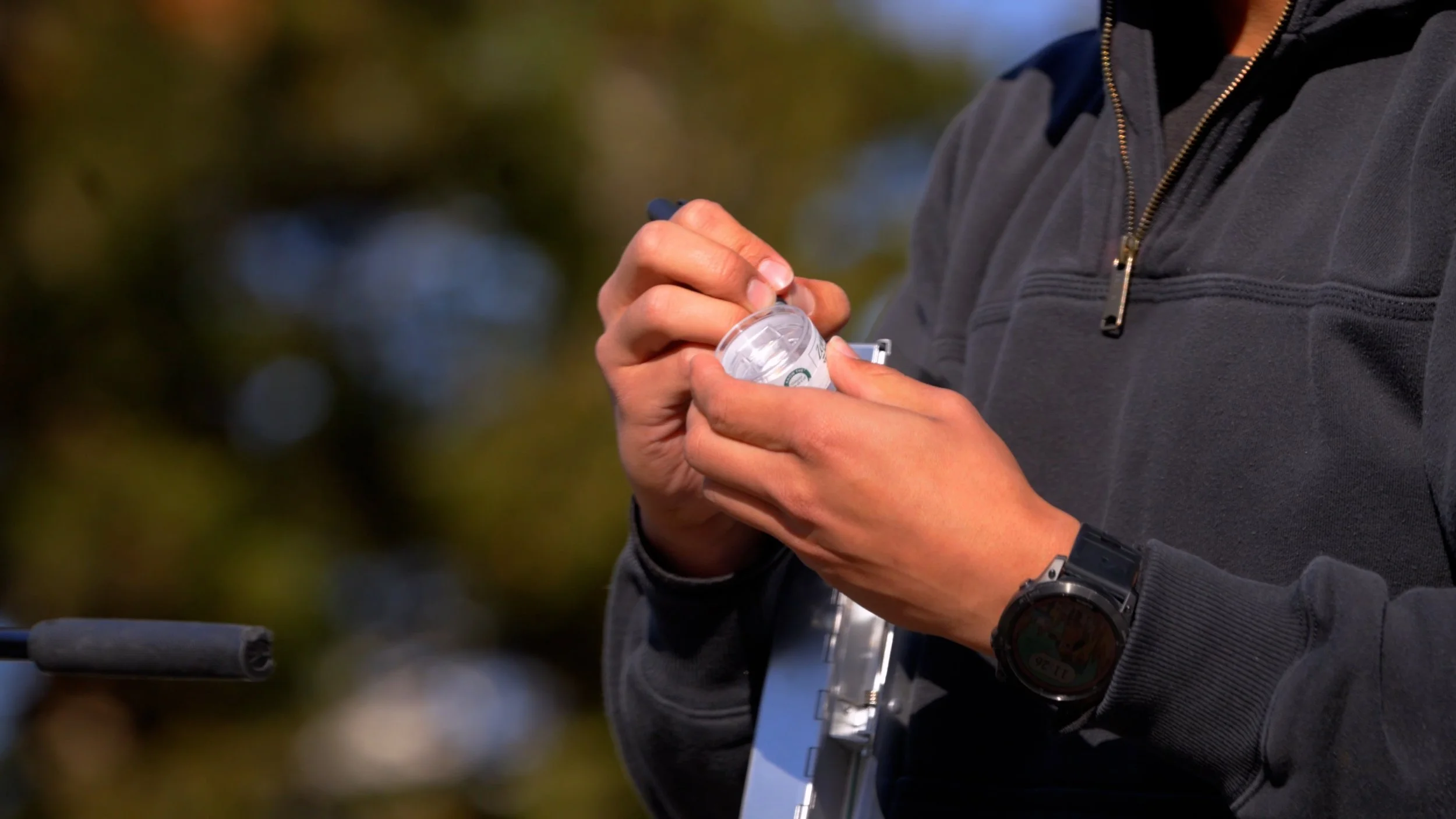
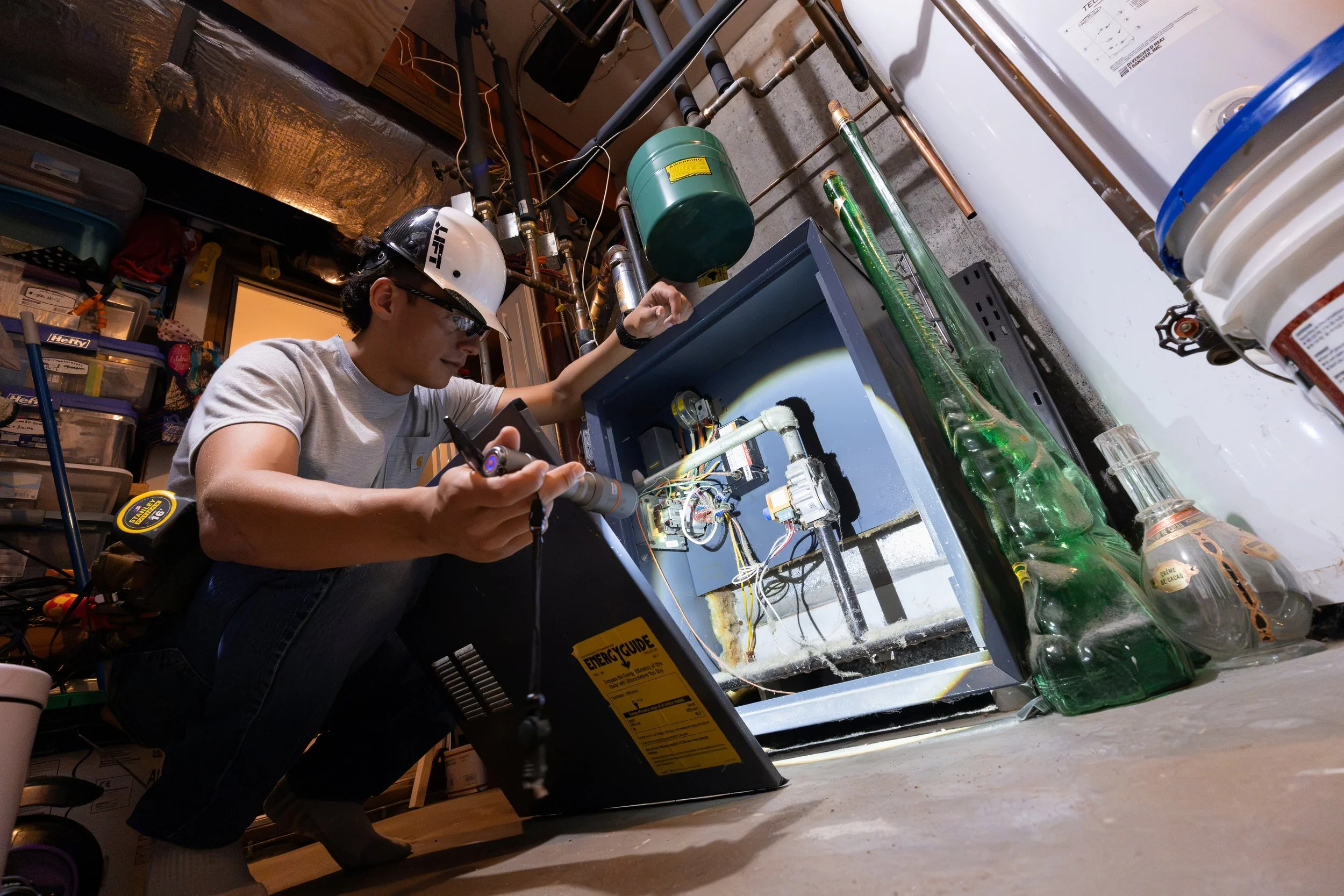
On site, about three to four hours. Moisture mapping with pin and pinless meters, thermal imaging, and temperature, relative humidity, and dew point readings inside and out. At each sampling location we record direct-read screening measurements with a TSI Q-Trak XP 7585: carbon dioxide, carbon monoxide, particulates, total VOCs, and formaldehyde. Air samples are collected with flow-calibrated pumps against two simultaneous outdoor controls, and surface samples are taken from visible growth. Matterport 3D documentation of the areas of concern is performed at the assessor's discretion.
Laboratory. Samples travel under chain of custody to EMSL Analytical, an AIHA-LAP accredited laboratory, once the signed agreement and deposit are received. We request 24-hour turnaround, and the laboratory typically reports within 24 hours of receipt.
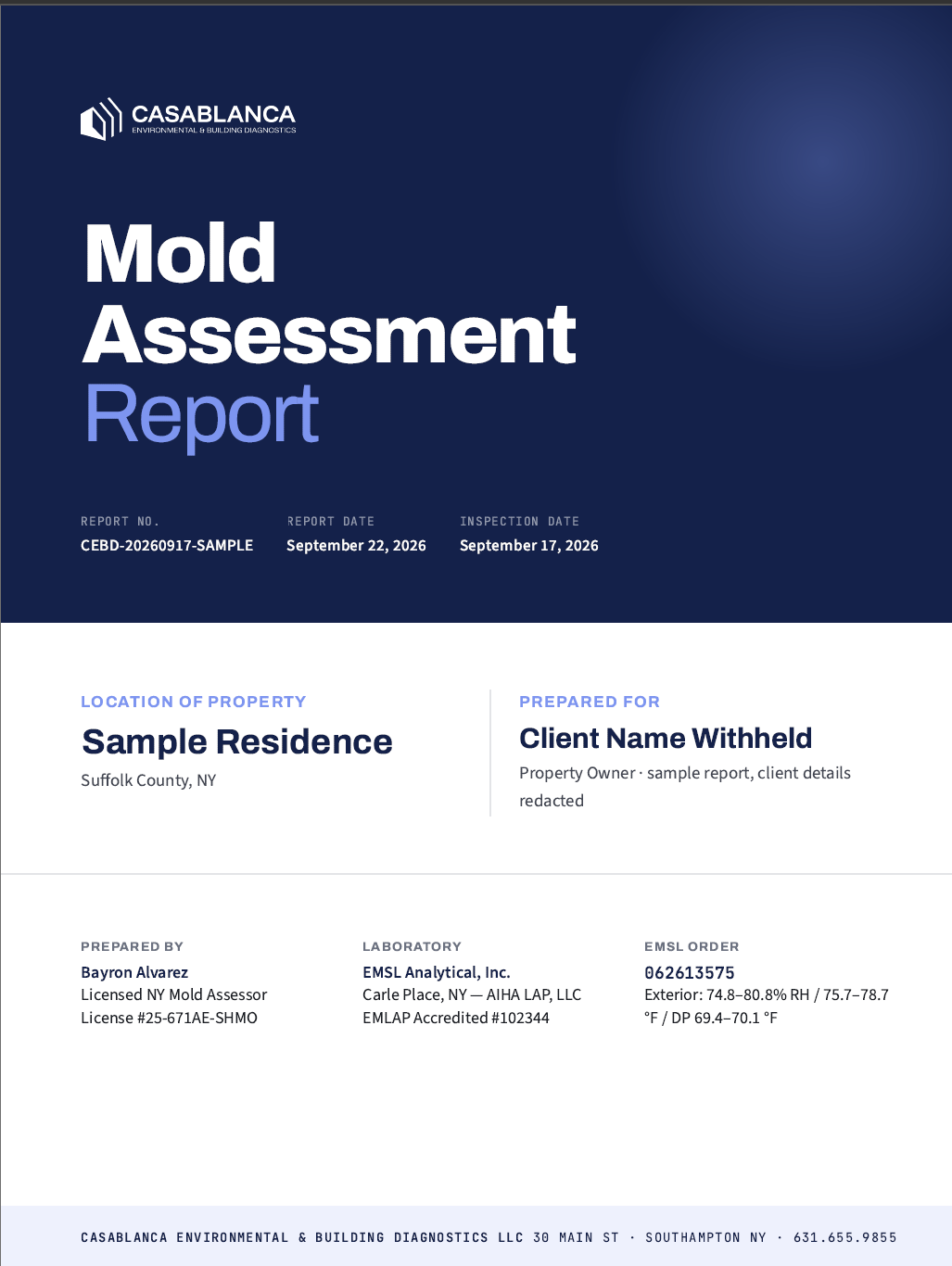
Report. The Mold Assessment Report is delivered by Google Drive link once the balance is paid.
Why Mold Testing Alone Is Not Enough
An air sample shows what was in the air in one room at one time. Without an outdoor control collected at the same time, the count has nothing to be compared against, and there are no government exposure limits for airborne mold that a single number can be checked against. Without a moisture investigation, the sample cannot show why the growth is there, and a remediation that cleans the surface and leaves the moisture source in place is likely to be followed by new growth.
New York's licensing law defines mold assessment as an inspection designed to discover mold and the conditions that cause it, which is why our sampling is always part of an assessment. The samples establish which areas are affected and how badly. The moisture investigation establishes the cause and the correction. The report combines the two into a plan a contractor can price, perform, and be verified against.


What the Mold Assessment Report Contains
An executive summary written for the owner.
The purpose, scope, and sampling locations.
The full laboratory results, read against the outdoor controls.
Findings for each area, with a condition classification under IICRC S520: Condition 1 (normal fungal ecology), Condition 2 (settled or airborne spores, fragments, or other fungal material from a Condition 3 area), or Condition 3 (actual growth).
The moisture source, the correction, and the type of contractor who should make it.
A remediation plan for each area classified Condition 2 or 3, with the work standards the remediation contractor signs.
A good-faith remediation cost estimate to compare contractor bids against.
The post-remediation verification criteria.
What We Find in Southampton Houses
The house that sat closed
A house held at a low cooling setpoint while no one is there, or closed in the shoulder seasons with no dehumidification, can sit above 60% relative humidity for weeks. EPA recommends keeping indoor humidity below 60%, ideally between 30% and 50%. The first sign is usually a musty odor at opening, with growth on closet walls, leather, and the backs of furniture against exterior walls. Keeping relative humidity below 60% is a standing recommendation in every report we write.
Crawl spaces under air-conditioned floors
Fiberglass batts between the floor joists, humid summer air in a vented crawl space, and an air-conditioned floor above is the most common crawl space mold pattern we find on the East End. The underside of the subfloor runs cool, the crawl space air reaches its dew point against it, and the batts hold the moisture against the wood. Crawl space condensation on the East End
Attics
Bathroom exhaust fans that terminate in the attic instead of outdoors, and air handlers and ductwork in the attic leaking conditioned air, both put moisture on the roof sheathing. The staining pattern usually shows which: growth around a fan location versus diffuse staining worst at the ridge and around penetrations.
Basements and old foundations
Finished basements with polyethylene sheeting behind the drywall trap moisture in the wall. Older foundations in and around the Village often have no drainage or vapor control, and on low lots near the ponds and bays the water table can sit close to the slab.
Storm water and bay flooding
Wind-driven rain gets in at windows, doors, and trim on exposed walls, often without a visible stain until the growth is established. Bay flooding leaves salt in crawl spaces, which keeps materials damp long after the water is gone. How wind-driven rain gets inside · Salt water in the crawl space
Pool houses and guest cottages
Accessory buildings that are closed most of the year, often with no dehumidification and a bathroom that is rarely ventilated. Each structure gets its own sampling locations and its own section of the report.
Remediation Under New York Law
New York State Labor Law Article 32 applies to mold assessment and remediation projects on areas greater than 10 square feet, with limited exemptions, such as a homeowner working on his or her own property. For those projects:
A licensed mold assessor prepares a written remediation plan before work begins, covering the areas and quantities, the methods, personal protective equipment, the clearance procedures and criteria, an estimate of cost and time, and, when possible, the underlying moisture source.
A separately licensed remediation contractor prepares a work plan that meets every requirement of the assessor's plan.
Containment stays up until a licensed assessor notifies the contractor that the project achieved clearance.
Clearance is a post-remediation assessment by a licensed assessor, documented in a written passed clearance report.
No licensee may perform both the assessment and the remediation on the same property, and no one may own an interest in both the assessment company and the remediation company working on the same property.
We have the remediation contractor sign our remediation plan and work standards before work begins. During the work we remain available to the owner and the contractor by phone and email to review changed conditions and change orders against the report; a site visit for a changed condition is scheduled separately. Licenses can be checked on the NYS Department of Labor's licensed mold contractor search. Hiring mold remediation: what New York law requires
Post-Remediation Verification
After remediation and drying, we return to verify the work: a visual inspection of each remediated area, moisture readings, and clearance air sampling against simultaneous outdoor controls, compared room by room with the original results. A project that is free of visible mold and meets the clearance criteria in the remediation plan receives a written passed clearance report. Post-remediation verification is a separate engagement from the assessment.
Buying, Selling, and Insurance Claims
Real estate transactions
We work inside inspection periods with buyers, sellers, and their attorneys and agents. The Property Condition Disclosure Statement asks whether the property has been tested for indoor mold. If a seller provides a mold report, check the assessor's license, the date and season of the sampling, whether it identifies a moisture source, and whether anything was remediated afterward. A letter from the remediation contractor is not a clearance; ask for the passed clearance report from an independent licensed assessor.
Insurance claims
Most homeowners policies cover mold only when it results from a covered sudden loss, such as a burst pipe, and many cap mold coverage. When a claim is possible, the adjuster may ask for documentation of the moisture source and the extent of the growth, which the assessment report includes. Confirm coverage with your carrier before scheduling; we do not bill insurers directly.
Areas We Serve Around Southampton
From our Main Street office we cover the Village of Southampton and the surrounding hamlets and villages:
Village of Southampton
Shinnecock Hills
Tuckahoe
North Sea
Noyac
Water Mill
Bridgehampton
Sagaponack
Southampton Mold Testing FAQ
Do you always take samples?
Almost always. Air samples in the complaint area and representative rooms, against outdoor controls, establish the conditions that the post-remediation clearance is later measured against. Surface samples identify visible growth. The number and placement of samples are set before the visit and sized to the house.
Is there a safe level of mold?
There is no government exposure limit for airborne mold. Results are read by comparing indoor types and levels with the outdoor controls and with the building conditions, and each area is classified as Condition 1, 2, or 3 under IICRC S520. We do not provide medical advice.
Should I use a home mold test kit first?
Most retail kits have no outdoor control, no chain of custody, and no professional interpretation, and mold spores are found in virtually every house, so a positive result is expected. If there is visible growth, a persistent odor, or a known moisture problem, the assessment is the next step either way.
Our house is closed for part of the year. Can you test it?
Yes. We can meet a caretaker or property manager for access. The most useful timing is just before the season, so problems are found before anyone moves in, or in July and August, when humidity-driven conditions in crawl spaces and basements are at their worst.
How soon will we have results?
The site visit takes about three to four hours. Samples go to the laboratory once the signed agreement and deposit are received, the laboratory typically reports within 24 hours of receipt, and the report is released once the balance is paid.
Who performs the remediation?
A separately licensed mold remediation contractor that you hire. We do not perform remediation, and we do not accept referral fees from remediation contractors. The remediation plan and cost estimate in our report are written so that you can get comparable bids from licensed contractors, and each contractor's license can be checked on the NYS Department of Labor search.
Schedule Mold Testing in Southampton
If you’re buying, selling, or managing a property in Southampton and want clear answers, reach out to schedule a home inspection, mold assessment & testing, or water quality testing. You’ll get straightforward documentation and practical next steps.Casablanca Environmental & Building Diagnostics provides independent diagnostics only. We do not perform remediation, sell products, or accept referral fees.