
Expert Moisture Intrusion Diagnostics in Suffolk County, NY
Find the source, not just the stain
Casablanca Environmental & Building Diagnostics provides moisture intrusion diagnostics across Suffolk County, Long Island — including the Hamptons and North Fork, plus central and western Suffolk on both the South Shore and North Shore.
Based in Southampton, NY, we provide moisture intrusion diagnostics across Suffolk County, Long Island—including the East End (Hamptons + North Fork) and central/western Suffolk on both the South Shore and North Shore.
When This Service Is a Good Fit
Moisture intrusion diagnostics is commonly requested when there is:
Active leaking during or after rain events
Recurring stains on ceilings, walls, or around windows/doors
Basement or crawlspace water entry, dampness, or efflorescence
Musty odors or persistent humidity tied to suspected water entry
Prior repairs that didn’t resolve the problem
Complex roof/wall transitions or multiple potential entry points
Tools & Methods (As Appropriate)
We use a documentation-driven approach and may incorporate:
Moisture measurements to evaluate material conditions
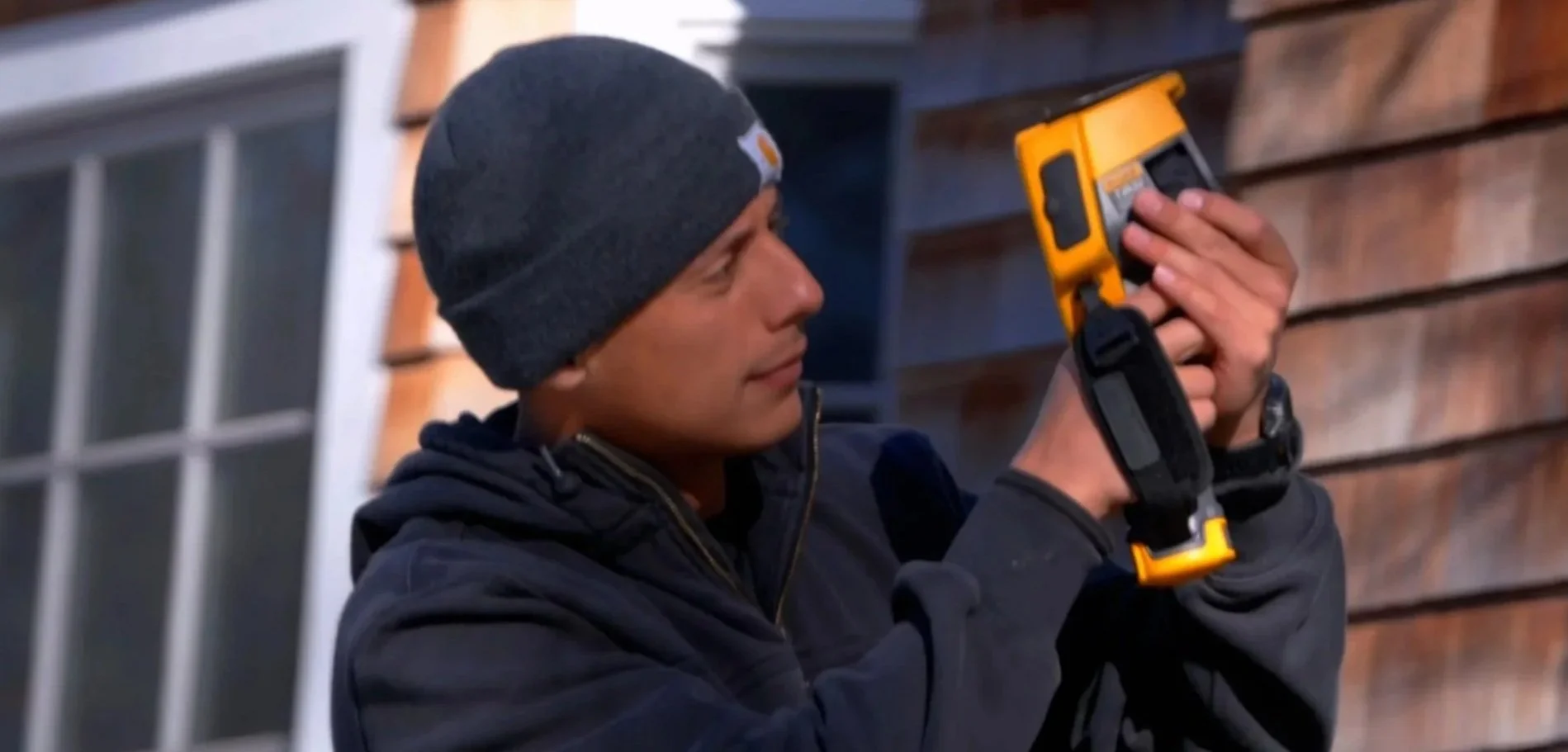
Targeted thermal imaging to help guide the investigation
Photo documentation of findings and key details
History review (timing, weather patterns, past repairs)
Diagnostics are non-invasive and limited to visible and accessible areas unless otherwise agreed.
Common Related Services (When Appropriate)
Depending on what we find, we may recommend:
Thermal Imaging Inspections (concealed moisture/building envelope concerns)
Mold Assessments (when moisture impact or suspect growth is observed)
Basement & Crawlspace Assessments (humidity and moisture contributors)
Construction Consulting (repair planning, scope review, owner representation)
What We Evaluate
Every property is different, but diagnostic work commonly includes:
Building Envelope & Water Management
Roof surfaces (visible areas), flashings, penetrations, and drainage paths
Windows/doors, trim, sealants, and exterior penetrations
Siding/masonry details and common transition points
Gutters, leaders, grading, and discharge locations
Interior Indicators & Tracing
Moisture patterns, staining, and material deterioration
Likely water travel pathways based on observed conditions
Targeted evaluation of the most suspect assemblies and details
Basements & Crawlspaces (When Applicable)
Water entry patterns and likely contributors
Drainage red flags, vapor control issues, and humidity drivers
Sump/discharge observations and common failure points
What You’ll Receive
Photo documentation of conditions and the details that matter
Clear summary of likely sources and contributing conditions
Practical recommendations for corrective action (scope guidance)
If needed: optional support reviewing contractor scopes and repair proposals
Important Notes
Moisture intrusion can be complex and may involve multiple entry points, weather conditions, and building assemblies. Our findings reflect observed conditions at the time of the visit. Some cases may require staged observation during an active event or coordination with specialized trades depending on accessibility and complexity.
Casablanca Environmental & Building Diagnostics provides mold assessments and mold testing across Suffolk County, Long Island — including the Hamptons and North Fork, plus central and western Suffolk on both the South Shore and North Shore.
Service Areas
East End Long Island
Southampton
Bridgehampton
Riverhead
South Shore + Central Suffolk
Westhampton
East Quogue
Patchogue
Sayville
Bay Shore
North Shore
Port Jefferson
Stony Brook
Setauket
Smithtown
Mount Sinai
Dealing with a leak or stain that keeps coming back?
Tell us what you're seeing and when it happens we'll help you figure out if this is the right starting point.
FAQ
What is moisture intrusion diagnostics?
Moisture intrusion diagnostics is a focused leak investigation to figure out where water is getting in, how it’s traveling, and what conditions are making it repeat. The goal is to find the source so repairs aren’t just cosmetic.
How is this different from a home inspection?
A home inspection is broad. Moisture intrusion diagnostics goes deeper on one problem—leaks, staining, dampness, or humidity—and is built around tracing the pathway and narrowing down likely entry points.
Can you tell if it’s plumbing or exterior water intrusion?
Often, yes. Timing and patterns usually point one way or the other. If it shows up after heavy rain or wind-driven rain, it often points to exterior entry paths. If it’s constant or tied to fixtures, it may point to plumbing or condensate. We document what we see and recommend the next step.
Should the visit happen during or right after rain?
If the leak only happens in certain weather, timing can help. Across Suffolk County, wind-driven rain and coastal storms can expose weak flashing and transitions quickly. If weather doesn’t line up, we can still work off staining, moisture readings, building details, and history.
Do you do mold testing as part of moisture diagnostics?
Not automatically. If we see suspect growth, musty odor, or signs moisture has been present long enough to create risk, we may recommend a Mold Assessment or targeted sampling. Moisture is the driver, so we start there.
What are the most common leak paths in Suffolk County homes?
The repeat offenders are roof edges and flashing details, window/door transitions, siding/masonry transitions, poor drainage discharge, bulkheads/below-grade entries, and damp basements/crawlspaces with weak vapor control. In coastal areas (including the East End), exposure can make small detailing issues show up sooner.
I keep repairing the inside, but the stain comes back. Why?
Because the repair was done at the symptom instead of the entry path. Paint and patch can hide it for a bit, but water keeps coming from the same route. Diagnostics is meant to stop that cycle.
Do you use thermal imaging for moisture intrusion?
Yes, when it’s useful. Thermal Imaging Inspections can help identify temperature patterns that may suggest concealed moisture. We combine that with moisture measurements and what we observe onsite.
Do you open walls or remove finishes?
No. This is a visual, non-invasive service. We don’t cut openings or remove materials. If evidence suggests a concealed condition that needs confirmation, we’ll recommend the right next step.
Do you fix the leak or perform repairs?
We don’t perform repairs as part of this service. We document conditions and provide clear next steps so your contractor can correct the actual cause. If you want help reviewing repair scope or proposals, Construction Consulting / Owner Representation is an option.
What should I have ready before the appointment?
If you can, share: when it happens (heavy rain, wind-driven rain, snow melt), where you see it (photos help), how long it’s been going on, and what repairs were attempted. That history makes the visit tighter.
What areas do you cover?
We provide moisture intrusion diagnostics across Suffolk County, Long Island—including the East End (Hamptons + North Fork) and central/western Suffolk on both the South Shore and North Shore.
If you want clarity on a leak, recurring staining, dampness, or persistent humidity—and you need help identifying likely entry points and contributing conditions—contact us to request an appointment.