
How Much Does a Home Inspection Cost on Long Island?
So you are buying a house on Long Island and suddenly everyone's telling you that you need a estimated home inspection cost in Long Island. You are stressing about money already and now there is this whole inspection thing you did not budget for. Honestly, it is confusing because prices seem to vary wildly depending on who you ask.
Let us be real with you Casablanca Environmental & Building Diagnostics LLC has been doing home inspections on Long Island for years, and we're going to walk you through exactly what this thing costs so you're not sitting there panicking about surprise expenses.
Here's the truth: getting a home inspection Long Island done is absolutely worth it. It's literally the only way you know what you're actually buying before you sign papers and hand over your life savings.
Governmental resources for outline the lead paint testing mandates for residences constructed prior to 1978 and associated health hazards, aiding Long Island purchasers in recognizing the significance of testing as numerous nearby houses have lead paint.
What You're Actually Paying For When You Get a Home Inspection
Listen, when you call for a home inspection cost estimate, you're probably expecting a straightforward answer. But it's not that simple because every house is different, you know? Most homes on Long Island run you somewhere between $300 and $700. A little cottage isn't going to cost the same as a sprawling colonial with three bathrooms, right?
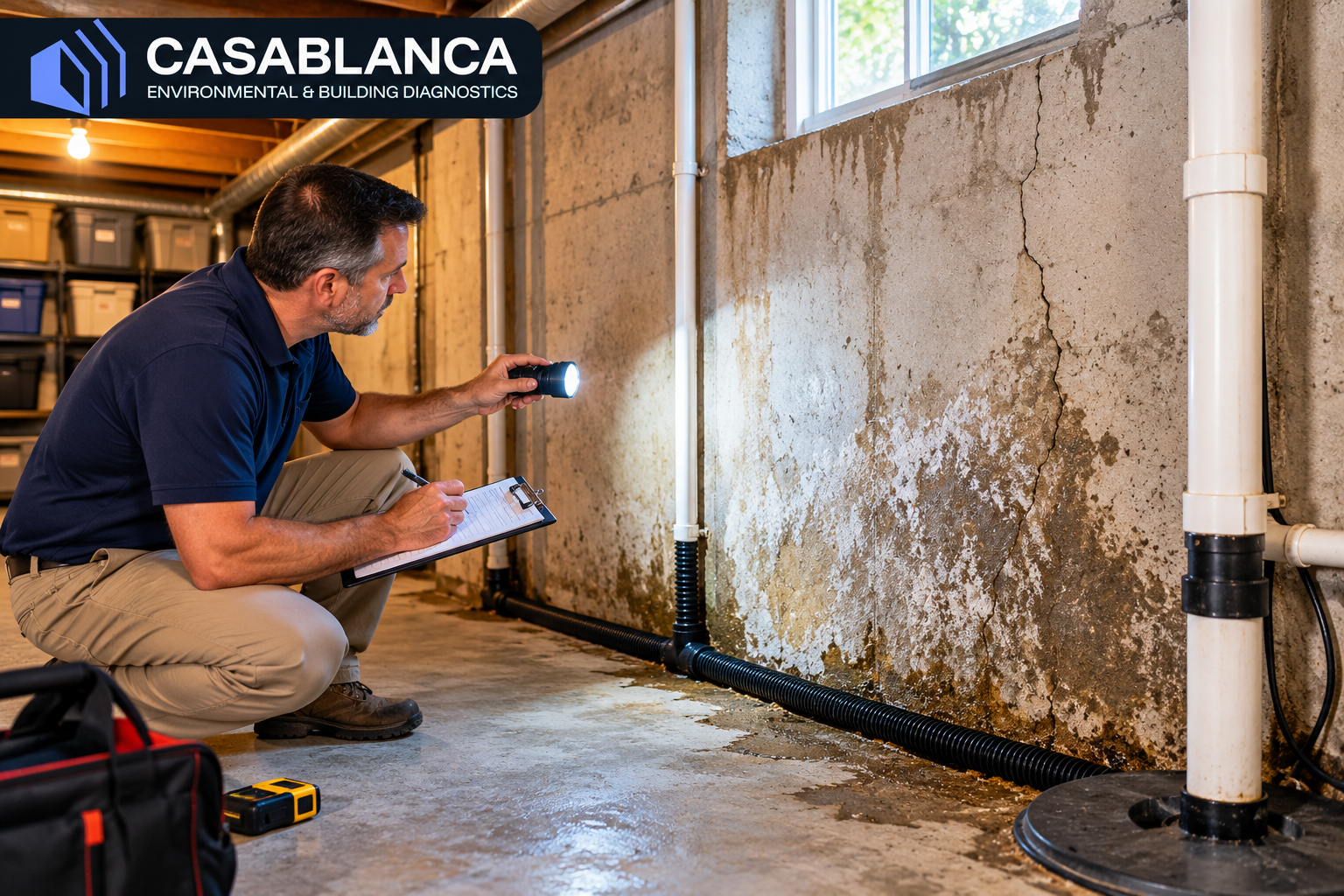
Think about it this way: an inspector shows up with their tools, walks through your entire house, checks the roof, the basement, the plumbing, the electrical stuff, the heating system, everything. They're writing things down, testing things, looking for problems you can't see. That takes time. That knowledge and licensing costs money. But it's the kind of money that actually protects you from buying a house with a cracked foundation or hidden water damage.
Your inspector has to be licensed in New York, which means they've actually gone to school and know what they're looking at. They're not some random person saying "yeah looks good." They're trained professionals who know what major problems look like.
How Your House Size Really Affects What You'll Pay
You'd think a bigger house means a higher price, and yeah, that's basically true, but let us explain how it actually works because people get confused about this.
A small place, like maybe under 1,500 square feet that's your starter homes, little cottages, some condos. Those usually run $300 to $450. The inspector can get through it faster because there's less to look at. You're looking at maybe 2 to 3 hours of work. Pretty straightforward.
Then you've got your average Long Island home, sitting somewhere between 1,500 and 2,500 square feet. These are the ones you see everywhere your typical three-bedroom ranch or colonial. These usually cost $400 to $550. This is where most inspectors are doing their business because these are the houses most people are buying. That's 3 to 4 hours of actual inspection time walking through every room.
Get into the bigger homes, 2,500 to 3,500 square feet, and you're looking at $500 to $650. Now you've got extra bathrooms, a finished basement maybe, more systems to check. The inspector's spending 4 to 5 hours really thoroughly going through everything.
And if you're one of those people buying one of those huge houses, over 3,500 square feet? Yeah, you're paying $600 to $800 or more. Some of those fancy places take all day to inspect properly. It's just the reality of checking more square footage.
Here's the thing though—a tiny apartment stuffed with junk might actually take longer to inspect than a big empty house. The condition matters as much as the size does.
How Old Your House Is Definitely Changes the Price
This is actually important because older houses are basically a different animal when it comes to inspections. A brand new house and a 1950s fixer-upper are totally different beasts.
Those new construction homes, the ones built in the last five years or so? They're running $350 to $500. Makes sense, right? Newer systems, less has gone wrong, the builder's documentation is available. The inspector's not finding decades of neglect. That's a relatively quick inspection.
But jump to homes built back in the 1980s and 1990s, and now you're at $400 to $600. These houses have some age on them. The HVAC system might be getting tired. The plumbing could use attention. But it's not ancient history either.
Here's where it gets real those homes built in the 1960s and 1970s? Those Long Island classics? They're $500 to $700. Now the inspector is spending serious time looking at older electrical wiring, original plumbing from decades ago, roofing that might be past its prime. They're documenting a lot more because older systems need closer looks.
And if you're brave enough to buy something built before 1960, you might be paying $700 or more. These old homes are beautiful and full of character, but they've got issues. Original wiring that's honestly sketchy, old plumbing from an era when we did things differently, potential asbestos, possible lead paint. The inspection takes forever because there's so much to carefully evaluate.
The Stuff You Can Add On That Will Cost Extra
So here's what most people don't think about you can order extra tests beyond the basic inspection, and yeah, they add money to your bill.
Radon testing is one people ask about a lot. You're looking at $100 to $200 extra for this. Radon's invisible, you can't smell it, but if your house has it, you need to know. New York doesn't make you test for it, but honestly a lot of smart buyers do because of health stuff.
Mold inspection can run $200 to $400 depending on how deep you want to go. Some inspectors just walk around looking for visible mold. Others do air quality testing with samples sent to labs. Long Island's got moisture issues sometimes, so mold comes up.
If your property has a septic system instead of connecting to town sewer, that's a whole separate inspection running $300 to $500. Septic stuff is specialized—you need someone who knows what they're looking at.
Got a well instead of town water? Water testing's $200 to $400. You want to know if your water's actually safe to drink before you buy, you know?
Lead paint testing shows up on homes built before 1978. That's $100 to $300. Definitely worth knowing if the house is sitting on lead paint especially if you've got kids.
Then there's asbestos testing if something looks suspect. $200 to $400 will get you answers. Better to know before you buy than discover it later.
Pro Tip: Call your inspector and ask exactly what's included before you book. Some inspectors throw everything into the base price. Others charge for every little test separately. Getting everything itemized upfront means no surprises when the invoice shows up. You can also ask about their per-hour rate in case inspection takes longer than expected—good to know what you might owe.
Different Parts of Long Island Have Different Pricing Because of Competition
Money talk varies depending on where you're looking on Long Island, and honestly it's worth knowing what's typical in your area so you don't get overcharged.
1: Manhattan is absolutely bonkers pricing like $800 and up. But that's Manhattan. Everyone wants everything, competition is insane, and the cost of living is through the roof.
2: Brooklyn and Queens are a tier down, running $450 to $700. Still urban pricing, still lots of demand, but slightly more reasonable than Manhattan.
3: Long Island proper Nassau going out through Suffolk that's where you're looking at $400 to $600 for most inspections. This is the sweet spot honestly. Plenty of good inspectors competing, reasonable pricing, you're getting quality work without the Manhattan markup.
If you're out in the East End, the Hamptons area where the big money homes are? Expect to pay $600 to $800 or more. Those luxury properties are complex, take forever to inspect, and the people buying them are usually not price-shopping anyway.
The most honest thing we can tell you is to get three quotes. You'll see what's reasonable in your area really quick. See the nearby areas' pricing:
| Where You're Buying | Cost Range | Why It Costs What It Does |
|---|---|---|
| Manhattan | 800–950 | Insanely high demand, urban premium |
| Brooklyn/Queens | 500–750 | Still urban, competitive market |
| Nassau County | 425–625 | Good competition, fair pricing |
| Suffolk County | 400–600 | Slightly lower density, reasonable |
| East End/Hamptons | 650–900+ | Luxury homes, complex properties |
What Actually Makes Inspections Take Longer (And Cost More)
Beyond size and age, there's actual stuff that makes an inspection take forever or move quickly.
→ A house that's been taken care of? Inspecting it goes faster. When someone's maintained things, replaced systems when needed, fixed problems as we came up—yeah, that takes less time to inspect because there's less to investigate.
→ But a house that's been neglected? Everything takes longer. The inspector's finding issues everywhere and spending time documenting all of it. That extends your inspection time.
→ Houses with old, complicated systems take longer than ones with newer, simpler systems. Ancient electrical panels need careful evaluation. Old plumbing gets thoroughly checked.
→ Access matters way more than people think. If the attic's got a regular pull-down staircase and the crawl space is easy to reach? Inspection moves. If the attic's a nightmare squeeze and the crawl space requires contortion? That adds hours.
→ Weather affects scheduling but usually not pricing. Summer gets busy so inspectors book up fast. Winter's slow. The actual fee stays the same though.
Your inspector's experience level might affect price slightly. Super experienced inspectors with specialized training sometimes charge more, but often you're paying for actual expertise which catches things others miss. That's actually worth it.
American Society of Home Inspectors. ASHI sets standards for what a professional home inspection should include and how it should be conducted, helping buyers know what to expect from their inspector.
Pro Tip: Ask your inspector if they provide a digital report with photos. Some inspectors hand you a paper report and that's it. Good ones give you professional documentation with photos of everything they found. Being able to see photos of the problem and read detailed notes helps you understand what's actually wrong and lets you share the report with contractors if you need repair quotes.
What Your Inspection Actually Covers (The Whole Picture)
When you're paying for an inspection, you're getting a lot more than most people realize.
Your inspector's walking through the entire structure foundation, basement walls, all the structural stuff. They're looking for cracks, water damage, settlement problems, anything affecting the house's structural integrity.
Outside gets evaluated too. Siding, trim, gutters, how the ground slopes away from the foundation. All that water management stuff matters because water getting into your house is a major problem.
That roof? Inspector's checking it from the ground and sometimes climbing up if it's accessible. They're evaluating how much life is left, spotting damage, predicting when you'll need replacement.
Inside the walls basically plumbing lines, electrical wiring, everything running through the house. They test major fixtures, check for leaks, evaluate the condition of everything.
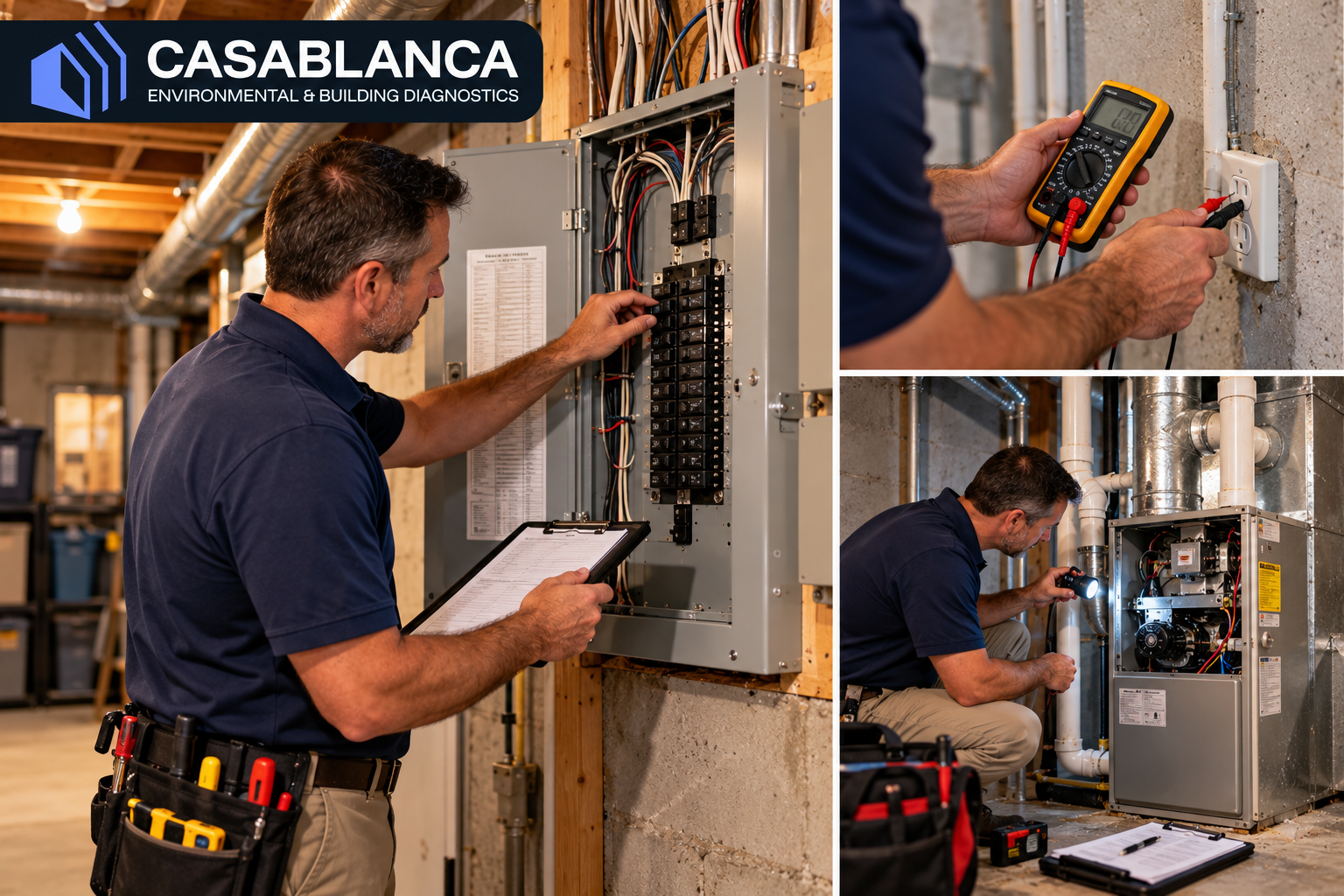
Your electrical system gets serious attention. Service panel, circuit breakers, outlets, switches everything gets checked for safety. Older homes get extra scrutiny because outdated electrical systems are genuinely dangerous.
HVAC systems are tested to make sure they actually work and evaluated for remaining lifespan. If you're looking at an old furnace or AC unit, the inspector lets you know you'll probably need replacement soon.
Windows, doors, walls, ceilings, floors all the interior finishes get evaluated. The inspector's not just checking structural stuff, they're noting condition of everything.
Every room gets looked at, attics get explored, basements get walked through. Nothing gets skipped.
What Home Inspections Really Cost on Long Island Right Now
You're about to buy a home on Long Island. You've made an offer. Your agent asks about the inspection. One of the first questions running through your head: how much is this going to cost?
The answer depends on what you're actually willing to pay for. I surveyed the market again in early 2026 and what I'm seeing tells a story worth paying attention to.
| Metric | Fall 2024 | Spring 2026 | Change |
|---|---|---|---|
| Average price | $565 | $640 | +13% |
| Median price | $550 | $643 | +16.8% |
| Most common range | 525–600 | 550–700 | Wider spread |
| Lowest price | $435 | $450 | Slightly up |
| Highest price | $810 | $960 | Much higher |
Most people on Long Island pay between $550 and $700 for a standard single family home. That $210 spread exists because inspectors vary wildly in what they deliver and how long they spend doing it.
Ready to actually know what you're buying on Long Island?
Here's the thing we at Casablanca Environmental & Building Diagnostics LLC have been inspecting homes on Long Island forever, and we know this market inside and out. When you call us, you're getting someone licensed ( #16000145204) with actual hands-on experience who understands Long Island's specific issues. We give you honest, detailed reports so you actually know what's going on with your potential home. No surprises. No BS. Just real information you can use.
Call us at 631-655-9855 or shoot an email to bayrona@casablancaebd.com and let's get your home inspection scheduled. You deserve to know what you're buying.
Frequently Asked Questions
How long do home inspections take for a 1500 sq ft house?
You're probably looking at 2.5 to 3.5 hours for a 1500 square foot house. That's enough time for a thorough inspection where the inspector actually checks everything, not just walks through real quick. Some inspectors are faster, some are more thorough and take longer. Older houses might take longer. The point is, don't expect to be done in an hour. This is detailed work.
Is it worth it to hire a home inspector?
Absolutely 100% yes. You are about to spend hundreds of thousands of dollars on a house. An inspector who costs 400-600 might identify problems that save you tens of thousands or even more. They find stuff you can't see. They know what's a small problem and what's a huge deal. They give you leverage for negotiating price or asking the seller to fix things. It's honestly one of the smartest investments you can make when buying a house.
How much should you spend on a home inspection?
Budget somewhere in that $400 to $600 range for most Long Island homes. If someone's quoting you $250, you're probably not getting a thorough inspection. If they're quoting $1,000, you might be overpaying unless it's a massive luxury property. Any additional tests like radon or mold add 100-400 each on top of the base inspection. Get a few quotes and see what's normal in your area. The cheapest option isn't always the best one.
Should I negotiate after a home inspection?
Definitely negotiate. You have actual documentation of problems now. Use that. If the inspector found structural issues, water damage, electrical problems, roof concerns—those are legitimate reasons to ask the seller to either fix them or credit you money for repairs. Sometimes the seller's fine with crediting you because they'd rather not deal with hiring contractors. Never just accept the inspection results without negotiating. That's literally what the inspection is for to give you information to use in negotiations.
What is the biggest red flag in a Long Island home inspection?
Long Island's got specific issues that we see constantly. Foundation moisture is huge because of our water table and sandy soil. Mold results from that moisture getting in, and mold's serious. The salt spray damage on coastal properties affects roofing and exterior materials faster than inland. Old electrical systems in homes built in the 1950s-70s are common and honestly dangerous. Rotting wood from moisture is a pattern we see. These are the things Long Island inspectors specifically watch for because they're region-specific problems.
How long do home inspections take for a 1500 sq ft house in Long Island?
Actually, Long Island inspections take slightly longer than elsewhere maybe 3 to 4 hours for a 1500 square footer. We're specifically evaluating moisture conditions, checking foundations more carefully, looking for mold symptoms and assessing salt damage on coastal properties. Older homes are the norm here, so inspectors spend extra time with aging systems. The point is, don't be surprised if your Long Island inspection takes longer than someone's in Ohio. We're being thorough about region-specific stuff.
Should I negotiate after a home inspection on Long Island?
Oh absolutely. Long Island sellers expect this. They know the inspection's going to find something because most houses have moisture issues or foundation concerns or old electrical systems. Use those findings to negotiate. Ask for credits if they're not willing to fix things. Casablanca Environmental will give you detailed documentation of everything we find, and that documentation is your negotiating power. Don't skip this step that's literally what the inspection is for.
Sources
Lead Paint and Home Safety Guidelines. - This government resource explains lead paint testing requirements for homes built before 1978 and health risks, which helps Long Island buyers understand the importance of testing since many local homes contain lead paint.
New York State Department of State. New York's licensing board sets standards for home inspectors ensuring they are trained and qualified. Understanding these requirements helps you evaluate your inspector's credentials and training.
