
Basement Flooded in the Nor'easter? How Fast Mold Grows on the East End, and What "Dried Out" Actually Means
By Bayron Alvarez, NYS Licensed Mold Assessor (#25-671AE-SHMO) and NYS Licensed Home Inspector (#16000145204) — Casablanca Environmental & Building Diagnostics, Southampton, NY
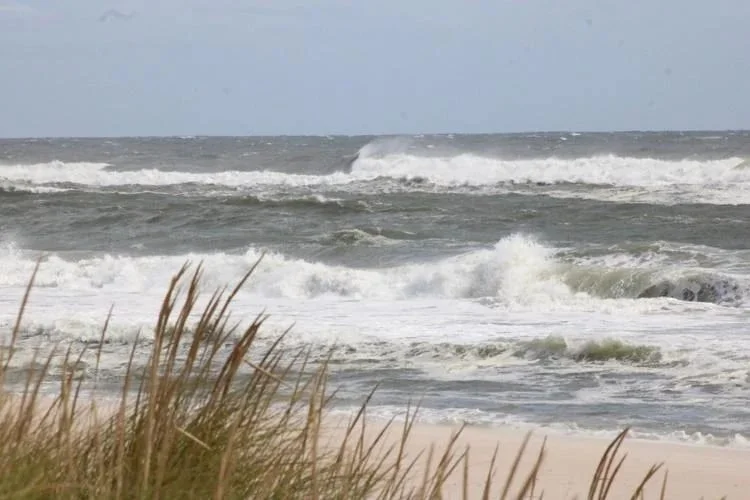
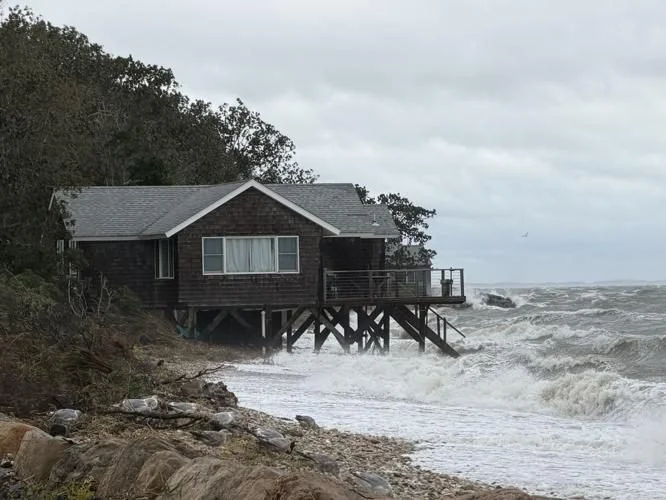
The Town of Southampton declared a state of emergency at 6 a.m. Saturday, ahead of up to 5 inches of rain and gusts to 55 mph, on top of the state and county declarations the day before. Riverhead's coastal flood warning named homes with basements near the shoreline as the properties at risk. PSEG Long Island had more than 15,000 customers out before dawn Saturday, which means sump pumps stopped in some of the wettest hours of the storm, and a second round of major flooding on south-facing shores was still possible at Sunday morning's high tide. By Monday a lot of East End basements will have had water in them, and by the middle of next week most of those basements will look dry. This post is about the difference between looking dry and being dry, because that difference is what decides whether you have a cleanup or a remediation.
Summary
Mold can begin to colonize wet building materials within 24 to 48 hours. EPA calls that window a guideline, not a rule: growth can start sooner, and materials wet longer will not always grow mold. What decides the outcome is not how long the water stood but how long the materials stayed wet, and the materials that matter are the ones you cannot see from the room: the bottom of the drywall behind the baseboard, the wood plate the wall sits on, the insulation behind a finished basement wall, the pad under the carpet. Those stay wet for days after the floor is dry to the touch. The threshold that matters for wood is 20 percent moisture content, measured with a meter, not a hand. Porous materials that were wet for more than 48 hours come out; wallboard can stay if it has not swelled and the seams are intact. Standard homeowner's policies exclude flood, and the federal flood program does not pay for mold the owner could have prevented, so the drying and the documentation both have to start now. Above 10 square feet of growth, New York Labor Law Article 32 requires a licensed assessor's plan and a separate licensed remediator, and the assessment is what tells the contractor and the adjuster how much of the basement is actually affected.
What the 48-hour number is and is not
EPA's homeowner guidance is direct: dry water-damaged areas and items within 24 to 48 hours to prevent mold growth. CDC says the same thing about flooding: clean up and dry out the home fully and quickly, within 24 to 48 hours. FEMA's flood-recovery guidance uses the same window.
EPA's remediation guide is more careful about what the number means. Its water damage table states that the guidelines are for damage caused by clean water and that the 24 to 48 hour figure is only a guideline: mold growth may have occurred if materials remained wet for less time, and growth will not always occur if materials remain wet for longer than 48 hours. The number is a planning figure. It tells you that on the second day, the question has changed from "how do I dry this" to "what has to come out."
Three things move the number. Temperature: a basement in late September on the East End is 60 to 68°F, which slows growth compared with a July basement but does not stop it. Contamination: rainwater that came through a window well is different from water that rose through the floor drain or came across the yard. Under the industry water-damage standard, ANSI/IICRC S500, ground surface water and rising water are listed among the examples of Category 3 water, the most contaminated class, because they can carry silt, organic matter, pesticides and sewage; the same standard's 2026 position statement says wind-driven rain is not automatically Category 3 and the restorer has to inspect and decide. On the East End, where most yards drain to a cesspool or septic system, water that came across the lawn and into the basement was not clean. Material: drywall paper, the kraft facing on batt insulation, particleboard, carpet pad and cardboard boxes feed growth. Concrete, tile and metal do not, though the dust and silt on them will.
The 48 hours started when the water arrived, not when the power came back or when you got out to the house.
Dry to the touch is not dry
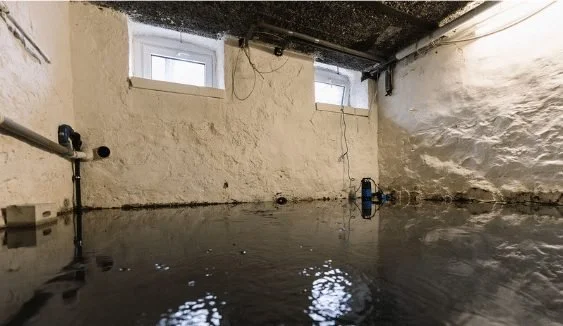
A basement floor that had two inches of water on it Saturday will feel dry by Tuesday if a fan is running. The bottom plate of the wall will not. Neither will the back of the drywall, the insulation behind it, or the pad under the carpet. Water wicks up drywall paper and into wood, and it leaves those materials from the surface outward, so the last place to dry is the inside of the assembly and the first place you can touch is the first place that reads dry.
The number that matters for framing is 20 percent moisture content. The USDA Forest Products Laboratory gives 20 percent or below as the margin of safety against fungal damage in wood. A pin meter driven into the bottom plate behind the baseboard, or through the drywall six inches off the floor, tells you where the assembly actually is. A hand does not. In our experience the plate and the base of the drywall stay above that line for days after the slab is dry, and longer in a finished basement where the drywall, the vapor barrier and the batt insulation hold the water against the wood.
EPA's own flood fact sheet makes the same point about the drying process: it should continue until materials are thoroughly dry, not just dry to the touch, and the state health guidance that reproduces it puts that at days to weeks, with the indoor humidity brought back to 35 to 55 percent. A basement at 70 percent relative humidity is not drying anything; it is holding it. If the dehumidifier drains to the sump and the sump has no power, it is not doing anything either.
Two tools make this visible. A thermal camera shows the evaporative cooling of a wet wall base as a dark band along the floor, usually higher behind furniture and in corners where air does not move. A moisture meter, pin or pinless, puts a number on it. Both belong in the first week, and both are how an assessment maps the affected area instead of guessing at it.
What comes out and what can stay
CDC's guidance after flooding is one sentence: remove all porous items that have been wet for more than 48 hours and that cannot be thoroughly cleaned and dried. Its list names carpeting and padding, upholstery, insulation, drywall and wallpaper, leather, paper and wood.
EPA's water damage table sorts building materials by what can be saved. Wallboard may be dried in place if there is no obvious swelling and the seams are intact; if not, remove, discard and replace. Ceiling tiles and insulation: discard and replace. Carpet and backing: dry within 24 to 48 hours, and where the water was contaminated, EPA's post-flood guidance says to discard.
In a finished basement that means the wall comes open to at least a foot above the water line, and if the water was Category 3, a wet cut is not enough; the drywall and insulation below the line come out, the framing is cleaned and dried, and the wall is closed only after the plate reads below 20 percent. Cardboard boxes, particleboard shelving, rugs on the slab and anything upholstered that sat in the water go out now. Hard goods, metal shelving, sealed plastic bins and the tile floor can be cleaned with detergent and water and dried.
Do not bleach any of it. Bleach on drywall and framing does not reach the growth inside the material and adds water to wood that is already wet; we cover this in our article on why bleach does not fix mold. Do not paint or seal a wall that was wet until it has been opened, dried and, if growth started, cleaned. And do not run the central air handler if it took water or if you suspect growth in the returns; EPA's warning is that a contaminated system spreads mold through the building.
The pump, the power and the generator
A sump pump without power is a pipe into the basement. If the pump stopped when the power went out and the water came in after that, the basement flooded from below, which means groundwater, which means Category 3 under the standard, and it also means the water table is still high. When power returns, run the pump and watch the pit; if it cycles constantly for days, the basement is not dry, it is being pumped, and the walls are still taking water from outside.
If you are running a generator to keep the pump and dehumidifier going, FEMA's post-flood guidance is to use it outside and away from the home. Its wording is to use portable generators carefully, outside and away from the home, to avoid carbon monoxide poisoning and fires. A generator in an attached garage or at an open basement bulkhead is not outside.
If the house is a second home and no one has been there since Friday, the 48 hours have already passed. Someone has to get in, get the water out and get the air moving this week, or the decision about what comes out will be made by what is growing when you arrive in October.
What to do this week, in order
Make it safe. If water reached outlets, the panel, the boiler or the water heater, do not stand in it with the power on. Have the electric turned off at the meter or confirmed dead before you go down. Fuel-burning equipment that took water needs a technician before it runs again.
Photograph everything before you move it. FEMA's flood-claim guidance is to document with photos and video before discarding, to record serial numbers of appliances, and to keep samples of carpet, wallpaper and upholstery for the adjuster. Photograph the high-water line on the wall with a tape measure in the frame.
Get the water out. Pump, wet-vacuum, squeegee to the drain. Every hour of standing water is an hour of wicking.
Take out what will not dry. Carpet and pad, wet cardboard, particleboard, upholstered pieces, wet batt insulation. Bag it and get it out of the house rather than stacking it in the garage.
Open the wall if it is finished. Pull the baseboard and cut the drywall above the water line. If the insulation behind it is wet, it comes out and the cut goes higher.
Dry it, and measure it. Fans across the surfaces, a dehumidifier sized to the space with the drain going somewhere that works, and a moisture meter on the plate and the studs every day. Dry is below 20 percent in the wood and a stable reading two days running, not a dry floor.
Clean what stays. Detergent and water, then dry, on framing, the slab and hard goods. No fogging, no bleach, no antimicrobial spray as a substitute for removal.
Watch it for two weeks. A musty odor, a new stain on the wall above the cut, or a plate that will not drop below 20 percent means water is still getting in or growth has started.
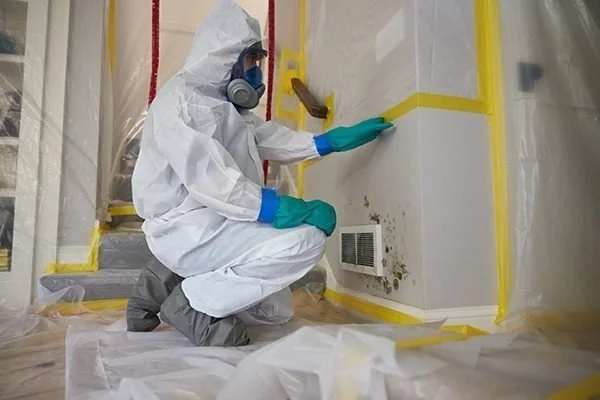
Under 10 square feet of growth, EPA, CDC and the New York Department of Labor all say a homeowner can do the cleanup with gloves, goggles and an N-95 respirator. Above it, the work is a mold project under New York law.
When to call a mold assessor
New York Labor Law Article 32 defines a mold project as assessment, remediation or abatement of an area greater than 10 square feet. Above that line, a hired contractor needs a license, the work needs a written remediation plan from a licensed assessor, the remediator has to be a different licensee from the assessor, and the containment stays up until the assessor issues a clearance. An owner working on their own property is exempt from the licensing requirement, but the 10-square-foot line is also where EPA's do-it-yourself guidance stops.
Call before that line if:
The basement is finished and the walls were wet. The affected area is behind the drywall, and the only way to size it is a moisture map and test cuts.
The water stood for more than 48 hours, or the house was closed and no one knows how long it stood.
The water came from below, from the yard, or from a sewer or cesspool, rather than from a window well or a pipe.
Anyone in the house has asthma, is immune-compromised, or is an infant or elderly.
You are filing a claim. The adjuster's scope and the contractor's estimate both depend on how much wall is actually wet, and a licensed assessment is the document that establishes it.
A contractor has already told you the basement is fine, and the contractor is also the one who wants to do the work. In New York the party that assesses cannot be the party that remediates.
An assessment now, while the plate is still reading wet, tells you how far the water traveled inside the walls. An assessment in three weeks tells you where the growth is. The first is cheaper.
Insurance and the clock
We are not insurance brokers or attorneys, and your policy and your agent are the authority on your coverage. Two things from the public record are worth knowing before you call.
A standard homeowner's policy excludes flood, meaning water that rose from outside the house. Flood coverage is a separate policy, usually through the National Flood Insurance Program.
The flood policy does not cover mold. FEMA's own FAQ says NFIP flood insurance policies will not cover damage from mold, with consideration made only when an official has banned entrance to the area or floodwaters remain around the home and prevent you from inspecting and maintaining the property. Its instruction is to begin cleanup and documentation immediately after a flood. FEMA's appeal decisions apply the policy's exclusion for mold and moisture damage that is within the policyholder's control even when it was directly caused by flood. In practice that means the week you spend waiting for an adjuster before you open the wall is a week the insurer can count against you. Photograph, then act.
What this looks like on the East End
The basements that flooded this weekend fall into three groups. Water Mill, Bridgehampton and the Southampton estate section have deep basements below a high water table, and after 5 inches of rain the table comes up under the slab whether or not the yard flooded; those basements take water through the floor and the cove joint, and they keep taking it for a week. Hampton Bays, Sag Harbor, Springs and the bay side of East Hampton have shallow basements and crawl spaces that flood from the surface and, near the water, from the bay; if that water was brackish, read our companion article on salt water flooding, because it does not dry the way rainwater does. And a large share of every one of those groups is a second home that no one has been in since Labor Day, where the 48 hours passed before anyone knew there was water. Our article on the closed summer house covers why an unoccupied house holds moisture, and this storm put a foot of water under some of them.
The finished basement is where the money is. A cut at 12 inches with the insulation pulled and the framing dried is a repair. The same basement left closed, with a fan on the carpet for a week, is a remediation in October: containment, removal to 4 feet, a licensed assessor's plan, a separate licensed contractor and a clearance. Our article on finished basement vapor barriers explains why that wall assembly holds water so well.
What we do
We perform mold assessments and post-remediation verifications on the East End, and by law we do not perform remediation on any property we assess. After a flood, an assessment maps the wet area with a moisture meter and thermal imaging, opens the wall where the readings say to, samples where a result would change the plan, and produces the written scope a contractor and an adjuster can work from. We are scheduling flood assessments this week. Call or text (631) 655-9855 or email bayrona@casablancaebd.com.
Common questions after a flooded basement
The water was only in the basement for a few hours. Am I fine? The water was in the basement for a few hours. The bottom plate and the base of the drywall were wet from the moment the water touched them and will be for days. Meter the plate; if it reads under 20 percent two days running, the framing is fine, and the porous materials that were in the water are a separate question.
It smells musty but I do not see anything. Is that mold? Odor after a flood is usually microbial growth somewhere you cannot see, most often behind the base of a finished wall or under a floor. It is a reason to open the wall, not a reason to spray something in the air.
Can I just run fans and a dehumidifier and skip cutting the wall? If the water was clean, the drywall did not swell, the seams are intact and there is no insulation behind it, EPA's table allows drying in place. If any of those is false, or the water came from the ground, the material below the water line comes out.
Should I test the air? Not as the first step. CDC's position is that sampling does not tell you what to do; the moisture map does. We sample when a result would change the plan, for instance to establish a baseline for a clearance or when a sensitive occupant needs a documented condition.
My contractor says he can dry it and treat it and I do not need an assessment. Above 10 square feet, New York law requires a licensed assessor's written plan and a separate licensed remediator, and a contractor may not do both. Under 10 square feet, you can do it yourself. Either way, a contractor who has not metered the plate does not know how big the job is.
Will my flood policy pay for the mold? FEMA says no, except where you were kept out of the property. It will pay for direct flood damage if you document it. Ask your agent, and document before you discard.
Sources and further reading
News 12 Long Island, Nor'easter live updates, September 25–26, 2026 (Town of Southampton state of emergency; Riverhead coastal flood warning; PSEG outage count). CBS New York, Long Island under state of emergency as nor'easter bears down. ABC7 New York, Nor'easter batters NYC, Jersey Shore, Long Island. NBC New York, Nor'easter brings 60+ mph winds, coastal flooding.
U.S. EPA: A Brief Guide to Mold, Moisture and Your Home; Mold Remediation in Schools and Commercial Buildings, Chapter 3 (water damage table); Flood Cleanup: Avoiding Indoor Air Quality Problems (fact sheet); Flood Cleanup and Indoor Air Quality resources.
Centers for Disease Control and Prevention: Mold; 2008 advisory on mold cleanup after flooding.
Delaware Division of Public Health, Flooding and Indoor Air Quality (reproduces the EPA drying guidance, including the 35 to 55 percent humidity target).
FEMA: Frequently Asked Questions About Disasters — Is damage from mold covered?; How to document damages after severe weather events; FloodSmart.gov appeal decision, Mold, Mildew and Moisture Exclusion Decision Upheld.
ANSI/IICRC S500 Standard for Professional Water Damage Restoration, Category 3 examples as quoted in R&R Magazine, Applying IICRC categories of water to a job situation; IICRC S500 Consensus Body, Position Statement on Category of Water and Weather-Related Events (January 2026).
USDA Forest Products Laboratory, Wood Handbook, Chapter 14: Biodeterioration of Wood.
New York State Labor Law Article 32: §930 Definitions; §933 Exemptions; §936 Licensee duties; prohibited activities; §945 Minimum work standards for mold assessments; §947 Post-remediation assessment and clearance. New York State Department of Labor, Mold Frequently Asked Questions.
Related CEBD articles: Why Bleach Does Not Fix Mold; Finished Basement Vapor Barrier; The Closed Summer House at 68°F; Salt Water in the Crawl Space (companion post, link once live).