
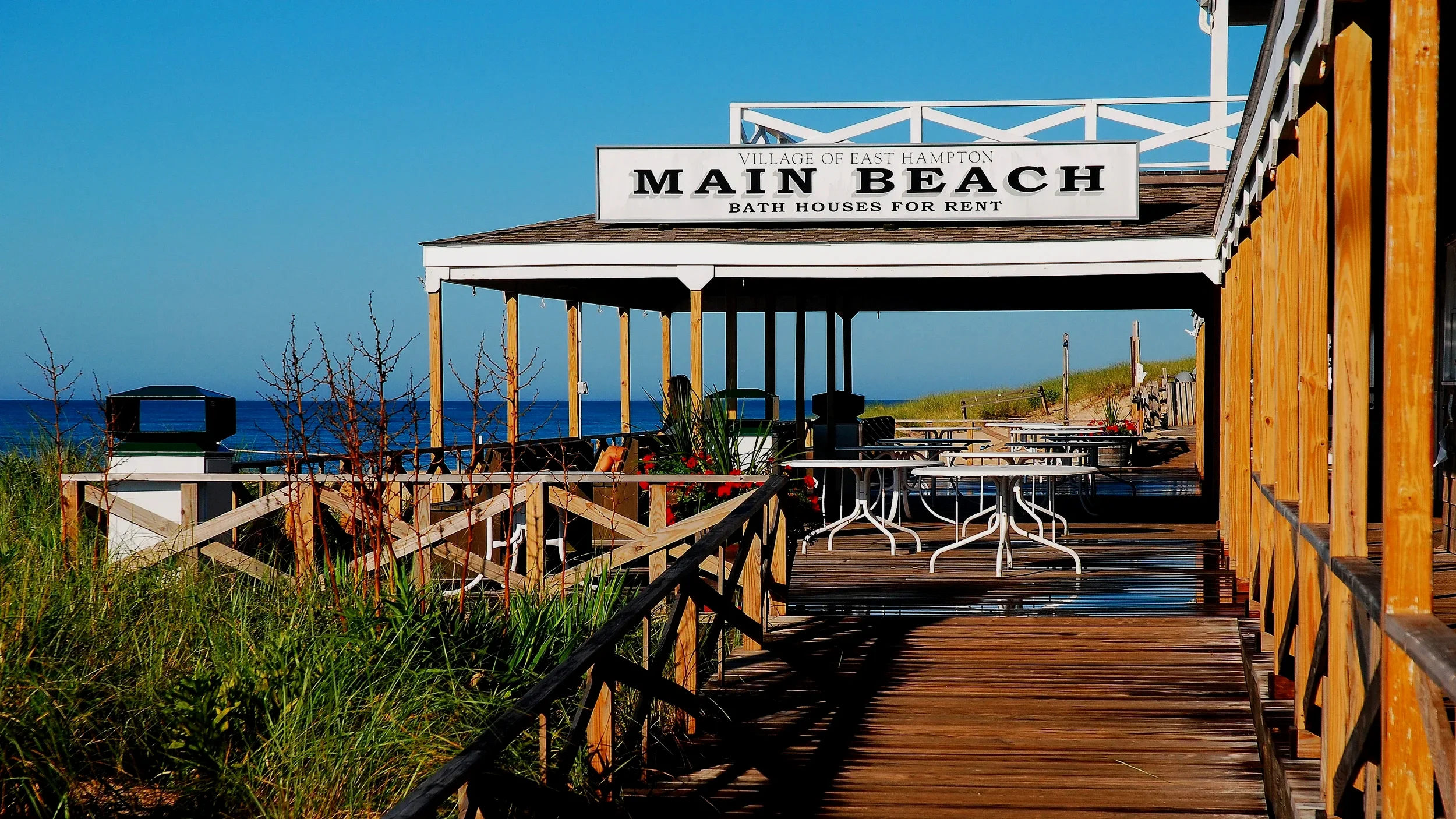
Water Testing Services in East Hampton, NY
Water Quality Testing in East Hampton, NY
In East Hampton, many homes rely on private wells—and even when a property has filtration, testing is the only way to confirm what’s actually in the water and whether the treatment system is doing its job. Water can look clear and still have issues that matter for health, plumbing performance, and real estate due diligence.
Casablanca Environmental & Building Diagnostics provides water quality testing in East Hampton, NY with proper sampling, laboratory analysis, and clear reporting so you know exactly what you’re dealing with and what to do next.
When water testing makes sense
Water quality testing is commonly requested for:
Real estate transactions (pre-purchase / due diligence)
Seasonal homes that sit unused for stretches of time
Changes in taste, odor, or appearance (metallic taste, sulfur smell, sediment, staining)
Known well or plumbing issues (old well caps, flooding history, renovations, pressure tank replacement)
Confirming filtration performance (softeners, carbon, RO, UV, sediment filters)
Establishing a baseline for a new purchase or new well system
What the process looks like
Water testing is only useful when sampling is done correctly. I focus on collecting samples in a way that makes the lab results meaningful.
A typical process includes:
A brief review of the home’s water source and any treatment equipment
Selecting the appropriate sample locations (often both raw and treated water, depending on the goal)
Proper sample collection and handling (containers, preservation, and timing)
Laboratory analysis through qualified labs
Clear results summary with practical recommendations if anything flags
What we test for
Panels based on your goal.
Your testing plan should match the reason you’re testing. In Suffolk County’s own private well testing program, analyses are typically described as covering microbiological quality, inorganic chemical content, volatile organic compounds, and petroleum derivatives (and in agricultural areas, certain pesticides).
Common testing goals
1) Annual screening / peace-of-mind baseline
A practical snapshot for seasonal homes and ongoing maintenance planning.
2) Real estate due diligence (well certification support)
Designed around the reality of transaction deadlines and documentation needs.
3) Problem-driven testing (odor/taste, staining, “salty” water, known area concerns)
Targeted selection of analytes based on what you’re experiencing and the property context.
Examples of parameters we commonly include
Depending on your situation, testing commonly includes:
Bacteria indicators (potability screening)
Inorganics/metals and general chemistry (common causes of staining and corrosion)
VOCs / petroleum-related compounds when warranted by context
Chloride/salt influence considerations for shoreline/coastal conditions
(Your panel can be tightened or expanded depending on whether you’re doing annual screening vs. a real estate certification vs. troubleshooting.)
Common East Hampton water concerns I hear about
Every well is different, but homeowners commonly reach out for:
Blue/green staining at fixtures (often tied to corrosion / water chemistry)
Brown staining or sediment
Salty taste (often a concern near coastal areas)
Sulfur/“rotten egg” odor
Cloudy water after periods of non-use
Questions about whether an existing filtration system is actually working
Testing turns those concerns into data—so you’re not guessing.
How often should you test?
For private wells, SCWA’s public guidance recommends testing at least once a year by a qualified laboratory, noting that private wells are often shallow and more likely to pick up surface contaminants.
Real estate transactions and noticeable changes (taste/odor/appearance) are also strong triggers to test.
What you receive
You’ll get:
Lab results delivered clearly (not just a confusing printout)
A practical explanation of what’s normal vs. what needs attention
Guidance on next steps (adjustments, treatment options, or follow-up testing)
How long does it take?
Sample collection is usually quick once access is set. Lab turnaround times vary depending on the panel(s) selected. If the request is tied to a real estate deadline, I’ll help you choose the most efficient path.
Areas served
East Hampton and surrounding areas including East Hampton Village, Amagansett, Springs, Wainscott, Northwest Woods, Napeague, Napeague Harbor area, and Montauk, plus nearby towns across the East End.
FAQ — Water Quality Testing in Sag Harbor
Do I need water testing if I’m on public water?
It depends on your goal. Public water is treated and monitored, but testing can still be useful if you’re noticing changes in taste/odor, staining, or if you want baseline documentation for peace of mind. If you’re on a private well, testing is generally much more important because maintenance and monitoring are the homeowner’s responsibility.
Do you test both raw well water and treated water?
When helpful, yes. If a home has filtration, it often makes sense to understand both the source water and what you’re actually drinking at the tap.
How do you decide what we should test for?
We start with three things: (1) water source (private well vs. public), (2) why you’re testing (real estate, annual screening, or a problem like staining/odor), and (3) any site clues (salt influence concerns, history of treatment equipment, past issues). Then we choose a panel that fits the purpose—tight enough to be efficient, but broad enough to be meaningful.
How long does it take to get results?
Sampling itself is usually quick. Lab turnaround depends on the panel, but most results come back within a few business days. If you’re under a real estate deadline, mention it upfront so we can choose the most efficient panel and timing.
If something comes back high, what happens next?
First, we interpret the results in plain language—what’s elevated, what it typically means, and whether it’s a health concern or more of an aesthetic/system performance issue (like staining). Then we outline next steps, which may include confirming with a follow-up test, adjusting treatment/filtration, or bringing in the right specialist if additional evaluation is needed.
Schedule water quality testing in East Hampton
If you’re buying, selling, or managing a property in East Hampton and want clarity on water quality, reach out to schedule water quality testing.