
Pre-Purchase & Pre-Listing Home Inspections in Sag Harbor, NY
Home Inspections in Sag Harbor, NY
(Pre-Purchase & Pre-Listing)
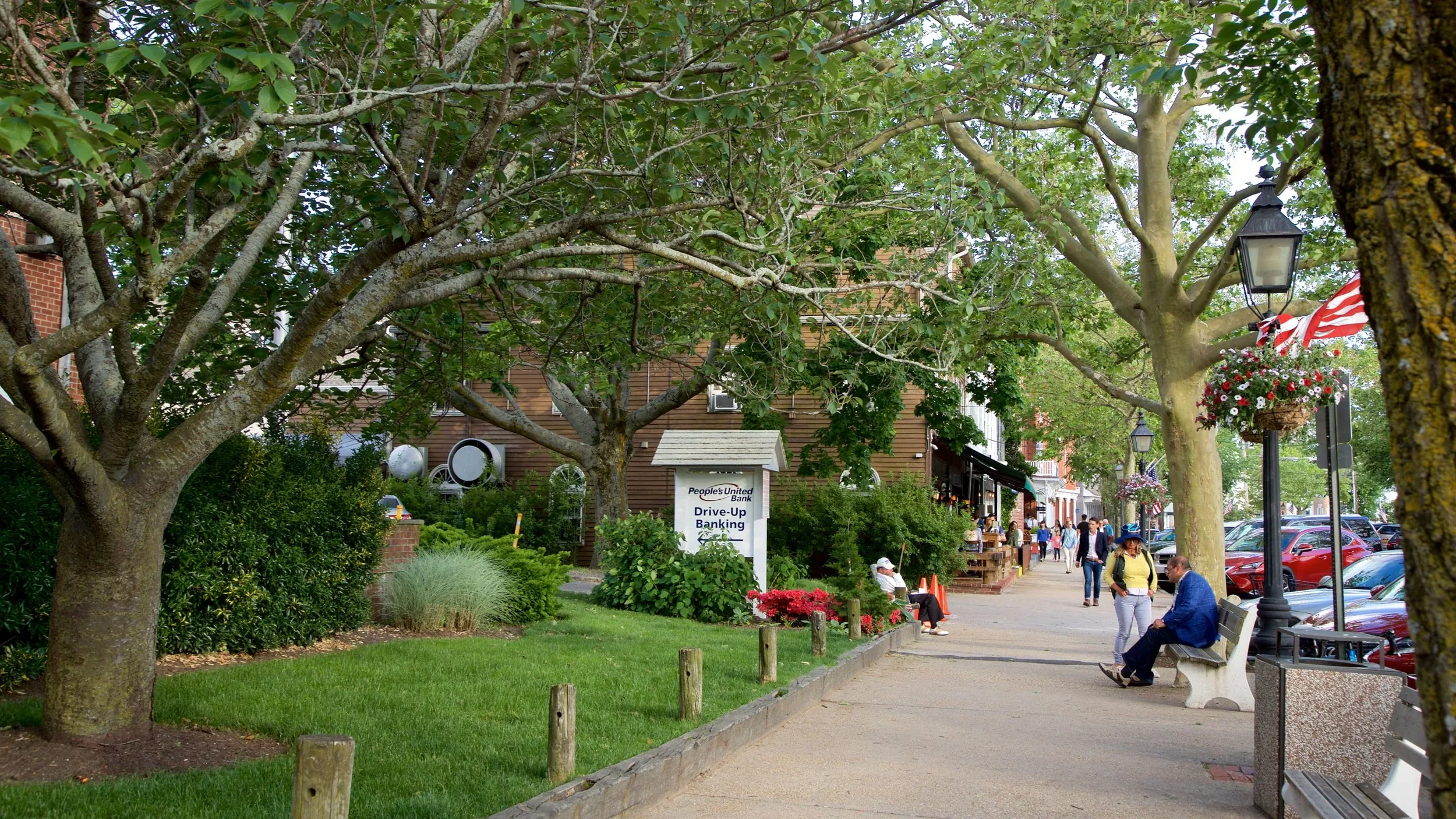
Sag Harbor is one of the few places on the East End where you’ll see a tight historic village core, waterfront influence, and a wide range of housing styles all within a small area. The village grew as a working seaport and, for a long stretch, a thriving whaling port—so many of the older homes were built during periods when materials, construction methods, and layout priorities were very different from modern builds.
A Sag Harbor home inspection shouldn’t feel like a generic checklist. It should tell you how the house is performing today, where moisture risks typically show up in this area, and what deserves attention first—especially if you’re on a real estate timeline.
Casablanca Environmental & Building Diagnostics provides pre-purchase and pre-listing home inspections in Sag Harbor, NY with clear photo documentation and practical reporting.
What makes Sag Harbor homes different
A real mix of home types and eras
Within Sag Harbor and Eastville, you’ll see everything from older village homes influenced by styles like Federal, Greek Revival, Italianate, Queen Anne, and Folk Victorian, plus many renovations and additions layered over time.
That mix matters because “old meets new” is where many issues hide—especially around transitions, additions, and updated mechanical systems.
High seasonality changes how homes behave
Sag Harbor also has a very high share of seasonal homes. In one village planning document (based on Census data), Sag Harbor had 1,942 housing units, with 699 described as “seasonal, recreationally or occasionally used”—about 36% of the total housing stock in that snapshot.
Seasonality matters because homes that sit closed can develop swings in humidity, odor complaints, and condensation patterns when reopened.
Historic district considerations (important if you plan to renovate)
Sag Harbor has historic district oversight, and exterior changes in the historic district can require review and a Certificate of Appropriateness.
If you’re buying with plans to modify exteriors, it’s smart to understand those constraints early (and factor them into timelines and budgets).
What I focus on during a Sag Harbor home inspection
Because of the village’s housing stock and coastal conditions, I pay close attention to:
Moisture risk and water management: grading, drainage patterns, roof runoff, and visible signs of recurring moisture
Basements and crawlspaces: dampness indicators, musty odor drivers, and how ventilation is handled
Attics and mechanical spaces: insulation gaps, ventilation, and condensation risk points
HVAC basics (especially humidity control): general red flags, condensate management, and conditions that can contribute to indoor moisture issues
Renovation transitions: older-to-new connections where details are often missed (flashing, air sealing, and moisture pathways)
The goal isn’t to overwhelm you with a hundred minor notes—it’s to give you a clear understanding of risk areas, priority items, and what should be evaluated further.
What’s included in the inspection
A typical home inspection reviews visible and accessible components such as:
Roof & exterior: visible condition signals, flashing risk points, siding/trim observations, and water management
Structure & foundation: visible cracking/settlement indicators and general condition where accessible
Basement/crawlspace: moisture indicators, ventilation, and common risk areas
HVAC systems: visible components and performance red flags
Plumbing: fixtures, visible piping, leak indicators, and water heating components
Electrical: visible components and common safety observations
Interior: windows/doors, finishes, and general functionality observations
You’ll receive a report with photos and a prioritized summary: what’s urgent, what’s maintenance, and what’s worth monitoring.
Add-ons that make sense in Sag Harbor
Depending on the home and your concerns, these are common add-ons:
Mold Assessment (musty odor, visible growth, leak history, recurring condensation)
Thermal Imaging (helpful for moisture patterns, insulation gaps, and air leakage signals)
Water Quality Testing (especially for due diligence and private well situations)
If you’d like, I’ll recommend the right combination based on the house and your timeline rather than upselling.
FAQ — Sag Harbor Home Inspections
How long does an inspection take?
Most inspections take a few hours depending on size, access, and complexity.
Should I attend the inspection?
If your schedule allows, yes. It’s helpful to walk through the main findings on-site.
Do you inspect crawlspaces and attics?
Yes—when accessible. These are often the areas where moisture and ventilation issues show up first.
Can you help with musty odors even if we don’t see mold?
Yes. Odor complaints are common, especially with seasonal homes. If needed, I’ll recommend a mold assessment as a separate service.
Can you work within a real estate timeline?
When possible, yes. If you have a deadline, mention it upfront so we can plan accordingly.
Schedule a home inspection in Sag Harbor
If you need a pre-purchase or pre-listing home inspection in Sag Harbor, tell me your timeline and any known concerns (odor, leak history, seasonal closure, previous repairs). I’ll recommend the right approach and help you move forward with clarity.